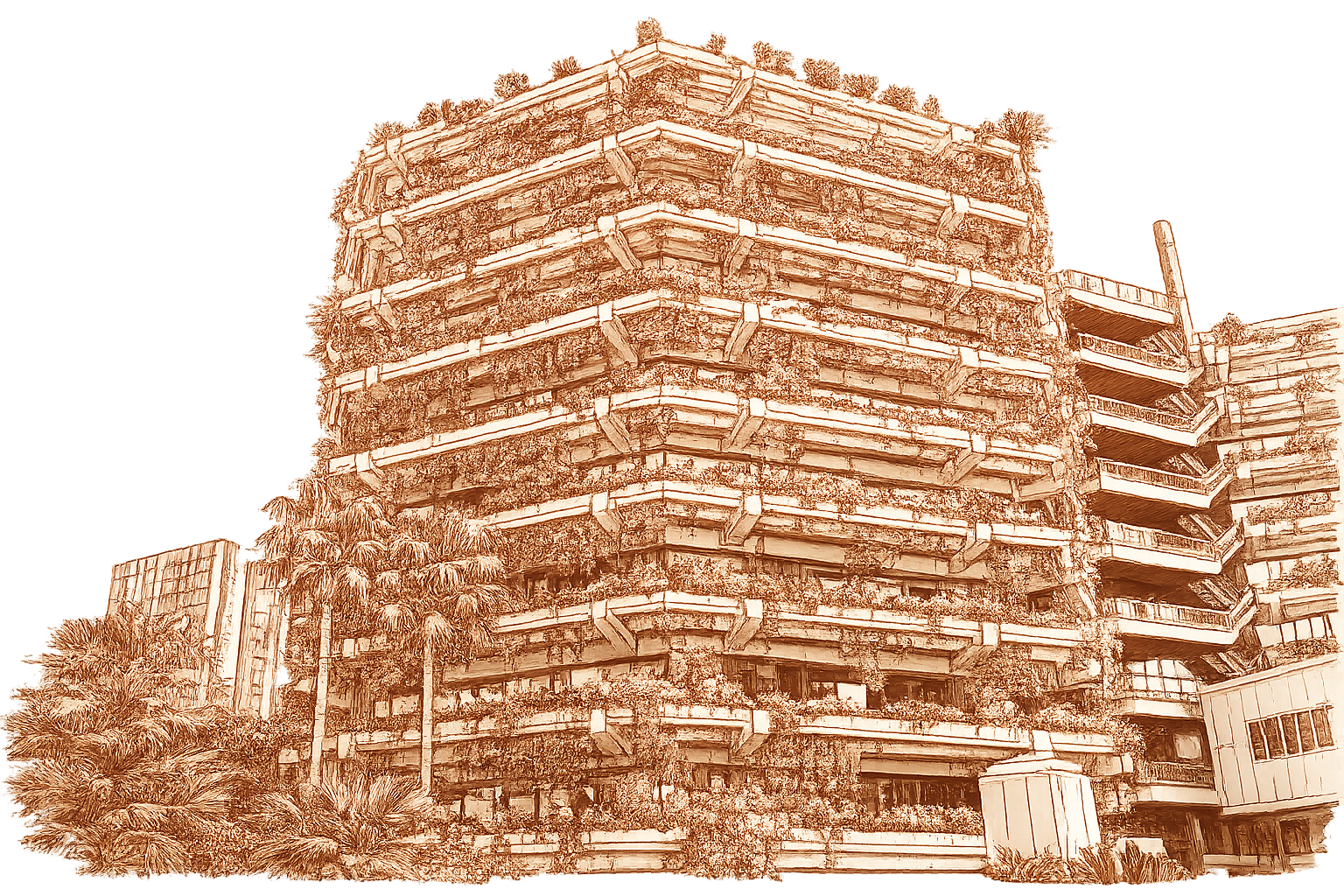
Sarrià / Sant Gervasi
Where Barcelona's families quietly live.
The Village Above the City
Sarrià was an independent municipality until 1921, when it was absorbed into Barcelona. It has never entirely accepted the annexation. The old village centre — a cluster of narrow streets around the Plaça de Sarrià and the church of Sant Vicenç — retains a character that is genuinely distinct from the rest of the city: quieter, more residential, more oriented toward the people who live there than toward any external audience. The weekly market on the Plaça del Mercat de Sarrià is a neighbourhood institution rather than a tourist attraction.
Sant Gervasi, which occupies the slopes between Sarrià and the Eixample, is a different proposition: more urban, more connected, more varied in its building stock and its commercial offer. The two areas are administratively combined but experientially distinct, and buyers should understand the difference. Sarrià is for those who want the village. Sant Gervasi is for those who want the hill.
Architecture and Streets
The building stock in Sarrià-Sant Gervasi is more varied than in the Eixample. The old village core contains buildings from the eighteenth and nineteenth centuries — lower, narrower, more irregular than the Eixample's grid. The slopes of Sant Gervasi contain a mixture of early twentieth-century apartment buildings, detached villas, and more recent residential developments. The quality varies considerably, and the best properties — upper-floor apartments with terraces and views, or villas with gardens — are genuinely exceptional.
The Carrer Major de Sarrià is the neighbourhood's principal commercial street and one of the most pleasant in Barcelona: wide enough to be comfortable, lined with independent shops and restaurants, and oriented entirely toward the people who live nearby. The Mercat de Sarrià, at the northern end of the street, is a covered market of genuine quality. The neighbourhood's restaurants are serious — several of the best in Barcelona are here, oriented toward a local clientele that expects quality and is prepared to pay for it.
Daily Life
The neighbourhood's schools are the primary reason that many families with children choose it. The concentration of international schools — the British School of Barcelona, the Lycée Français, the American School of Barcelona, and others — within or immediately adjacent to the neighbourhood is unmatched anywhere else in the city. For families relocating from abroad, this single factor frequently determines the neighbourhood before any other consideration is weighed.
The transport connection to the city centre is provided primarily by the FGC suburban rail line, which runs from Sarrià and the stations above it down to Plaça de Catalunya in under fifteen minutes. The frequency is good and the journey is reliable. The metro does not reach Sarrià itself, which is a limitation for buyers who depend on it, but the FGC is a genuine substitute for most purposes.
The Property Market
Property in Sarrià-Sant Gervasi commands a premium that reflects the combination of school access, quiet, and the particular quality of life that the neighbourhood provides. The market is dominated by families — both local and international — and by buyers who have decided that the Eixample's density is not what they want. Villas with gardens are rare and expensive; apartments in the better buildings on the slopes of Sant Gervasi represent the most accessible entry point to the neighbourhood's character.
The neighbourhood's values have been stable through multiple cycles, supported by the consistent demand from international families and the limited supply of the building types that define it. For buyers who are purchasing for their own use and who value the combination of school access, quiet, and proximity to the city, Sarrià-Sant Gervasi is without a close rival in Barcelona.